
If your dog is licking their paws excessively, it’s more than just a grooming habit—it could be a sign of discomfort, allergies, or an underlying health issue.
Persistent licking can cause irritation or infection if left unaddressed.
We outline the common reasons why a dog may excessively lick their paws, what you can do at home, and when to seek veterinary help.
Table of Contents
Dog Licking Paws Excessively: Why It Happens
Excessive paw licking is often a response to irritation, itching, pain, or anxiety. Common causes include allergies, skin infections, injuries, or behavioral stress.
Dogs may focus on their paws to relieve discomfort, but constant licking often makes things worse. Identifying the cause is key to providing relief and preventing further complications.
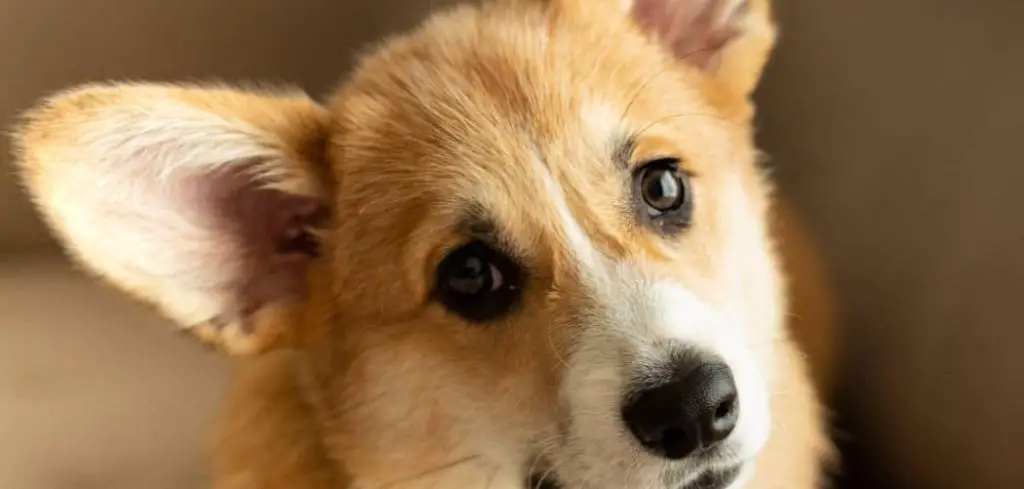
Dog Licking Paws Excessively: Common Causes
Allergies (Environmental or Food)
Allergies are a top cause of chronic paw licking. Pollen, dust mites, mold, or certain foods can trigger an allergic response in your dog’s skin.
You might notice redness, chewing, or licking between the toes. Seasonal flare-ups are common with environmental allergies.
Allergic skin inflammation can lead to secondary infections and requires targeted treatment.
Related: Dog Licking One Paw Excessively (What it means)
Yeast or Bacterial Infections
Moisture trapped between the toes can create an ideal environment for yeast or bacteria to thrive.
Your dog may lick, chew, or even limp. A strong odor, redness, or brown staining on the fur are telltale signs.
These infections often need topical or oral medication from your vet.
Flea Allergy Dermatitis
Even a single flea bite can cause an allergic reaction, especially in sensitive dogs. The result is intense itching—often focused on the paws, base of the tail, and belly.
You may not see fleas, but evidence like flea dirt or skin scabs can confirm the issue.
Regular flea prevention is essential, even if your dog spends most time indoors.
Anxiety or Boredom
Licking can also be a self-soothing behavior for dogs experiencing anxiety or stress. Dogs left alone frequently or those lacking stimulation may fixate on their paws.
Signs include licking in quiet moments, during storms, or when left alone.
Enrichment, training, and behavior support can help reduce compulsive behaviors.
Foreign Objects or Injury
A thorn, splinter, or small cut can cause persistent paw licking. Dogs instinctively try to clean or soothe the area.
If your dog favors one paw, limps, or becomes aggressive when it’s touched, check for debris or wounds.
Vet removal may be necessary if something is lodged in the paw.
Dry Skin or Irritation
Dry, cracked paw pads from winter weather, hot pavement, or harsh chemicals can cause discomfort.
You might see flaky skin, redness, or a change in paw pad texture.
Protective balms, booties, and gentle cleaning can support healing and comfort.
Dog keeps licking paw but nothing there
Even when nothing obvious is visible, paw licking can still be caused by microscopic issues such as yeast overgrowth, early infection, nerve irritation, or allergies.
Some dogs also develop habitual licking due to stress, boredom, or compulsive behaviors.
If licking persists despite no visible injury, a deeper skin or medical issue is likely and should be properly assessed to prevent chronic damage.
My dog keeps licking his paws and they are red
Red, irritated paws with constant licking usually indicate inflammation or irritation, most commonly caused by allergies.
Environmental allergens (grass, pollen, dust mites), food sensitivities, yeast or bacterial infections, and contact irritants like cleaning products can all trigger this behavior.
Repeated licking worsens the redness and can lead to sores or infections, so persistent red paws should be evaluated and treated rather than left to self-soothe.
Senior dog licking paws
In senior dogs, frequent paw licking may be related to chronic pain, arthritis, or age-related skin changes, in addition to allergies.
Joint discomfort can cause dogs to lick nearby areas as a coping mechanism, while weakened immune systems make seniors more prone to infections.
Cognitive changes and anxiety can also contribute. Because older dogs heal more slowly, ongoing paw licking in seniors should always be taken seriously.
Why do dogs lick their paws at night?
Dogs often lick their paws more at night because they are less distracted and discomfort feels more intense when resting.
Allergies and inflammation commonly worsen in the evening, and anxiety or stress can also drive nighttime licking as a self-calming behavior.
If paw licking is interrupting sleep or becoming obsessive, it suggests unresolved irritation or emotional distress.
Related: Dog excessively licking anus (Here’s why)
What to Do If Your Dog Is Licking Their Paws Excessively
Inspect the paws gently for swelling, redness, cuts, or foreign objects. Use a flashlight to check between the toes and around the nail beds.
Clean the area with mild, pet-safe antiseptic wipes. Avoid harsh soaps or hydrogen peroxide.
Apply a vet-recommended paw balm if the skin looks dry or cracked. Use an Elizabethan collar if necessary to prevent further licking.
Try an elimination diet or allergy test if you suspect a food allergy. Keep a journal to track symptoms and triggers.
Reduce anxiety triggers by providing more playtime, enrichment, or companionship if boredom is a factor.
When to Call or Visit Your Vet
Contact your vet if your dog:
Licks one or both paws constantly throughout the day.
Shows signs of swelling, bleeding, or limping.
Has a strong odor or discoloration on the paws.
Has raw, red, or broken skin.
Seems anxious or distressed while licking.
Early intervention can prevent infections, tissue damage, and behavioral reinforcement of compulsive licking.
Your vet may recommend allergy testing, skin cultures, or medications to control inflammation and infection.
Read more: Dog Eating Grass Excessively (What it means)
Key Takeaway
Excessive paw licking in dogs is usually a symptom of something more than grooming. Allergies, infections, or stress could be driving the behavior.
Check your dog’s paws carefully, soothe the area if needed, and talk to your vet if the licking continues or worsens. Getting to the root of the problem brings lasting relief and a happier, healthier dog.


